Fibre or copper – should I switch?
Short and honest: for the vast majority of households, yes. This page explains the difference, what it costs and why all of Germany is switching right now.
The difference in brief
A classic DSL line is an old copper telephone line – originally built for phone calls, not for today’s internet. Data travels through it as electrical signals that grow weaker with every metre to the street cabinet.
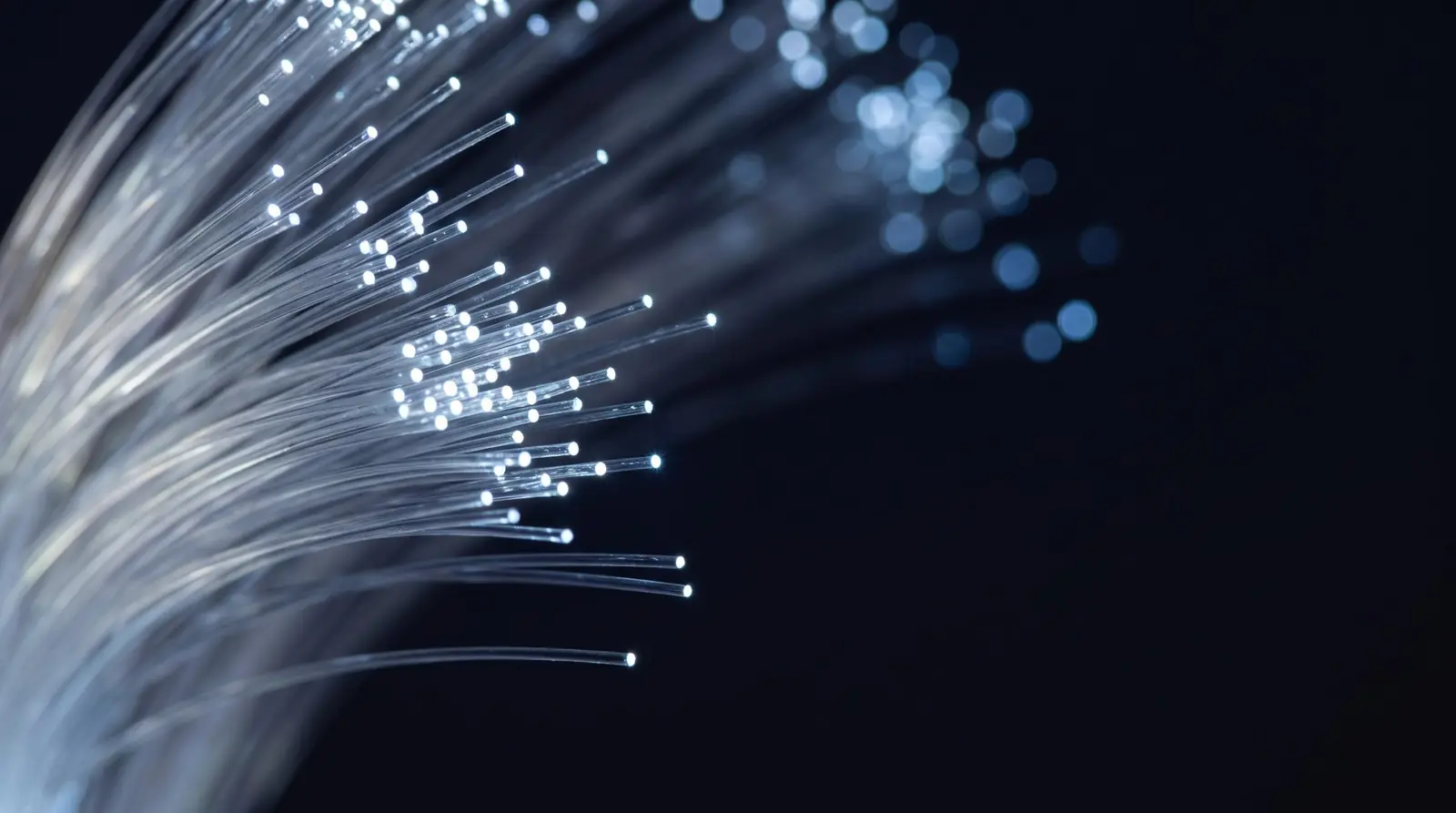
Fibre transmits data as light signals through hair-thin strands of glass – with practically no loss, no matter how far you live from the cabinet. With a true fibre connection (FTTH, “Fibre to the Home”), the cable runs all the way into your house.
In practice, many DSL households get much less than the maximum, especially in the evening or far from the cabinet.
Copper and fibre compared
| DSL (copper) | Fibre | |
|---|---|---|
| Download | usually 16–100, max. 250 Mbit/s | 1,000 Mbit/s and more |
| Upload | usually only a fraction of the download speed | much higher – important for working from home, video calls, cloud |
| Stability | varies with distance and network load | constant, even in the evening |
| Interference | sensitive to electrical interference | immune to interference |
| Future | at its technical limit, will be switched off | reserves for decades |
| Monthly costs | – | usually similar* |
* Depending on the plan, fibre can in some cases cost up to approx. €15 more per month – see below.
Why now? The next logical step.
At the end of the 1980s, ISDN was modern. Then came DSL, then VDSL – and each time people thought it would be enough for a long time. Today, many households are reaching the limits of DSL: several streams at once, working from home, video calls, cloud backups, smart home. Nobody knows what we will need in ten or twenty years – but the direction has always been “more”.
The full story – from ISDN to fibre – is on our homepage (in German).
What this means for Germany
Fibre is the foundation for almost everything digital that is still to come – for working from home, education, health services and businesses in rural areas. That is why the German government has set the goal of making fibre to the home available everywhere people live and work by 2030.
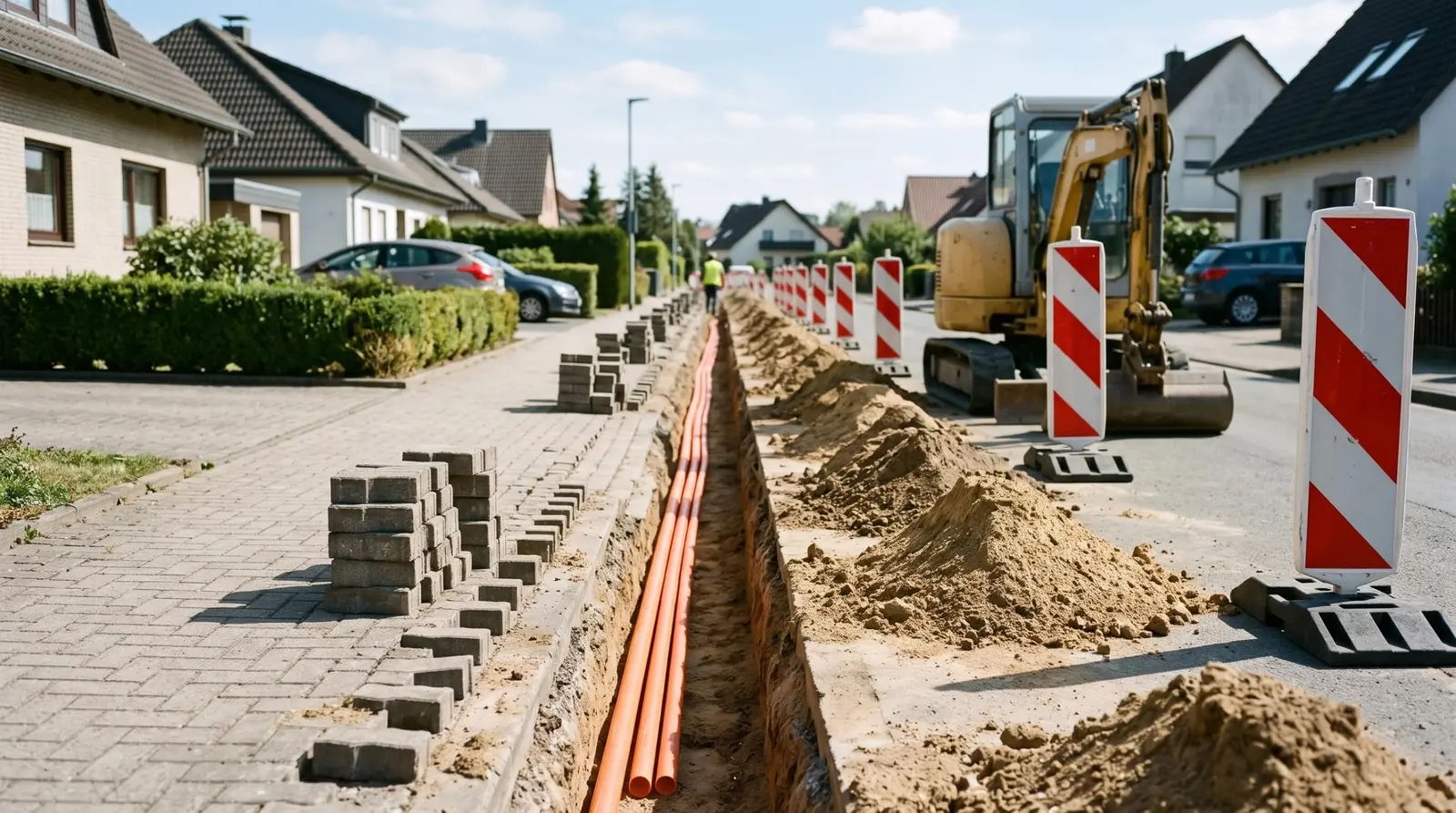
At the same time, the old copper network will be phased out. In January 2026, the Federal Network Agency (Bundesnetzagentur) presented a plan for an orderly transition. There is no fixed switch-off date yet – but it is clear that the copper line will be switched off at some point. If you switch now, you will not have to worry about it later.
Honestly: advantages and disadvantages
Advantages
- Much faster – for downloads and especially uploads
- Stable, even when the whole family is online at the same time
- Future-proof: no further upgrade needed for many years
- Your home is up to date – buyers and tenants increasingly expect fibre
- During the roll-out, the house connection is often free with a contract – without a contract or later on, it usually costs around €800 to €1,400
Disadvantages
- An appointment for the house connection and installation is needed
- Depending on the plan, in exceptional cases up to approx. €15 more per month than your current DSL contract
- You may need a new router
Frequently asked questions
Do I have to sign anything at the door?
No. You can look at everything in peace and decide later. And if you do sign a contract at your door, you have a statutory right to withdraw within 14 days.
How do I recognise a trustworthy consultant?
Trustworthy consultants give their name, show an ID card with a photo and do not put you under pressure. Ask for the offer in writing and check it in peace: What does it cost per month, when does the contract term begin, and what happens if fibre is not built in your street after all? We are happy to answer these questions – and you do not have to sign anything on the same day.
Does the consultation cost anything?
No. The consultation is free and non-binding.
Who do you work for?
We work on behalf of Germany’s largest telecommunications company. Our consultants carry an ID card with a photo. You can see who belongs to us on our team page.
Do I need fibre at all?
If you only make phone calls and rarely use the internet, the old line is still enough today. But the copper network will be switched off, and during the roll-out the house connection is often free with a contract. Later, it usually costs around €800 to €1,400. We will talk honestly with you about whether it is worth it for you.
Can I get the house connection without a contract?
In principle, yes. Without a plan, however, it usually costs around €800 to €1,400.
Can I keep my phone number?
As a rule, yes – your landline number can be transferred.
Will my phone or my emergency alarm system keep working?
Calls run via the router – as is already usually the case with DSL today. If you have a home emergency alarm (Hausnotruf), let us know at the appointment. We will then check whether the device needs to be adjusted.
What will be done to my house?
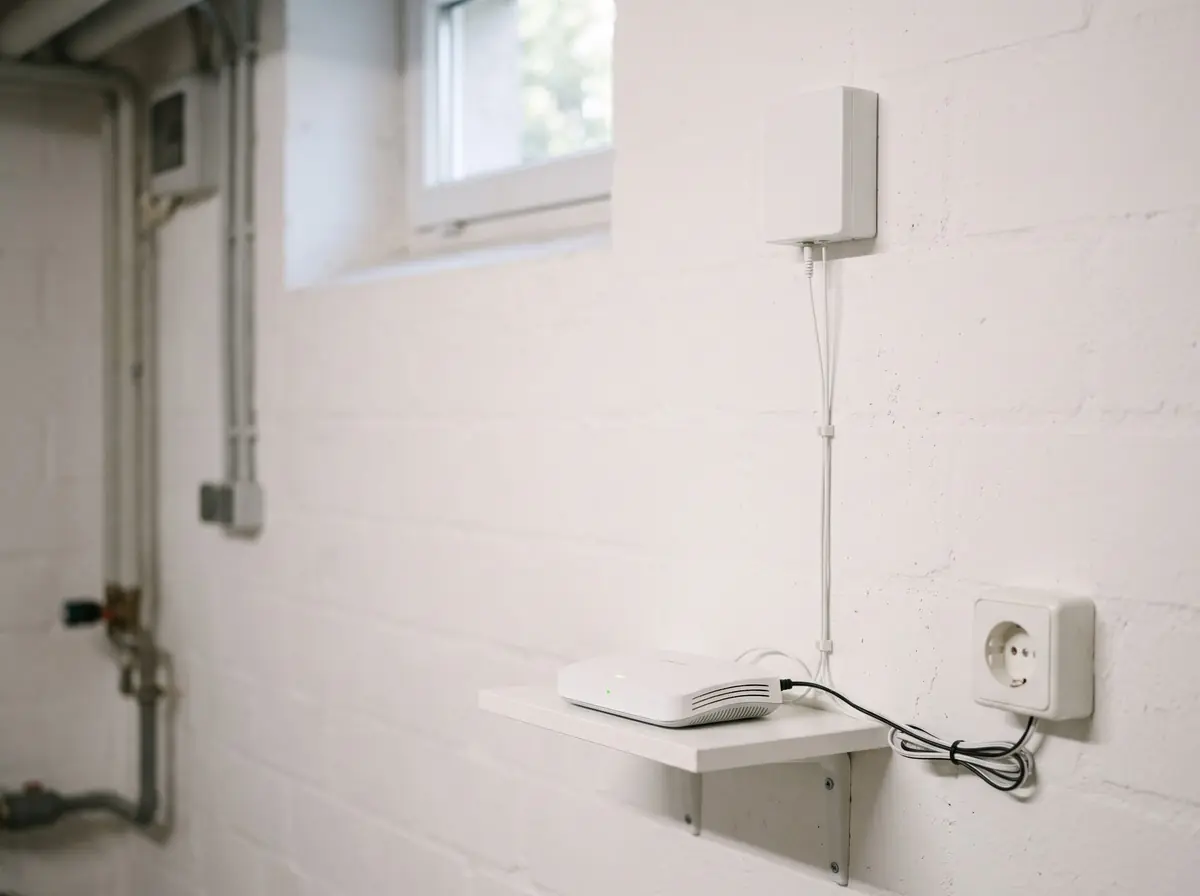
A thin cable is laid from the pavement into the house. A small connection box is mounted on the wall in the basement or utility room, and the router goes in your home. How the cable enters the house is agreed with you before the work starts.
I rent my home – what now?
The owner has to agree to the house connection. It is best to talk to your landlord. Once the building is connected, you can book a fibre plan yourself.
What happens to my data?
We record data for an order exclusively on behalf of the network operator. We do not use it for our own purposes.
Our conclusion
For most households, the price stays the same – except that the internet gets better and the house is connected for the coming decades. If fibre is being rolled out in your street right now, this is the most cost-effective time to switch.
Questions? Write to us: glasfaser@schnelle-leitung.de